
Sizing Guide
Dumpster Sizes
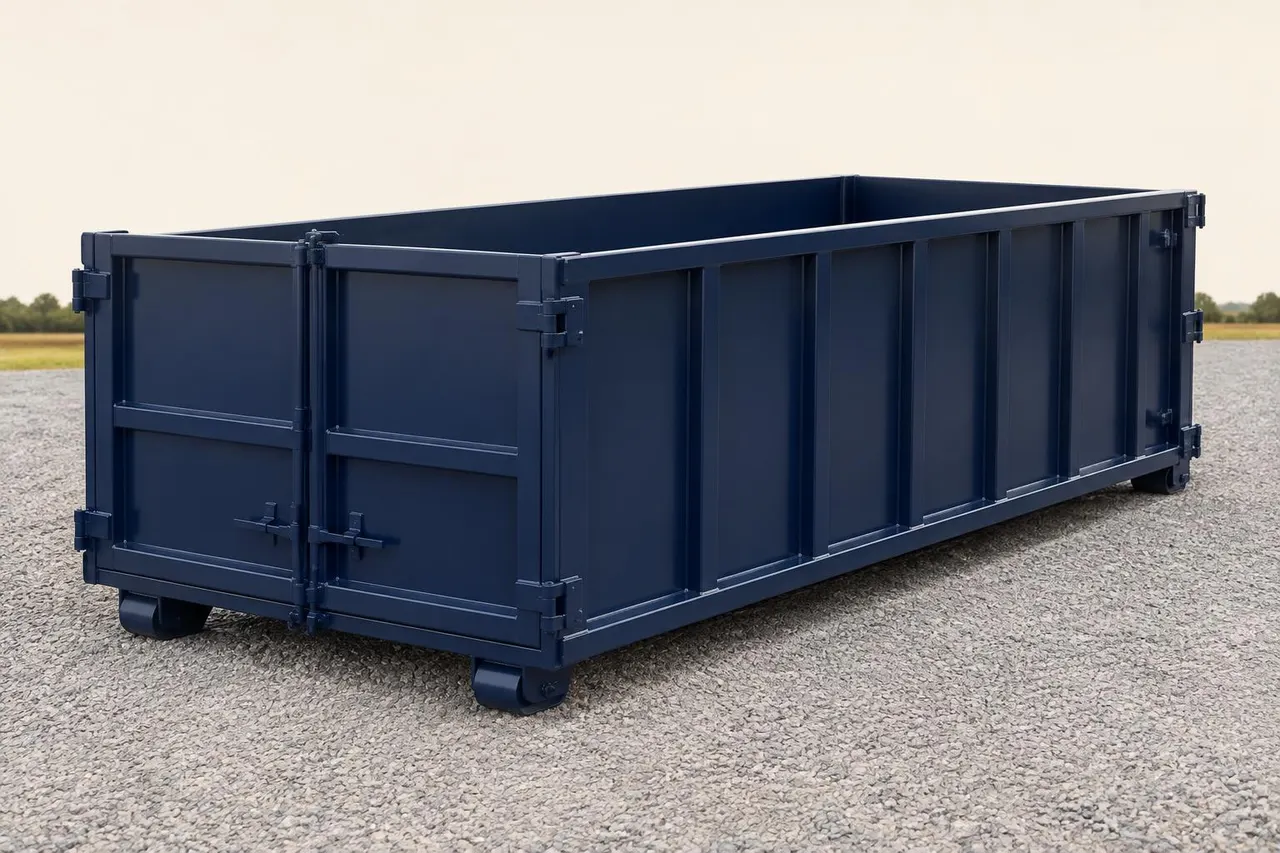
We keep the choice simple: three roll-off dumpster sizes — 10, 15 and 20 cubic yards. This guide explains how they compare and how to pick the one that fits your project.
Compare
Dumpster sizes for rent, side by side
"Yard" means cubic yards of volume. Each step up adds room for debris and makes the container longer, so the best size balances capacity with the space you have for placement.
Compact
10Cubic
Yard10 Yard Dumpster
Our smallest container, with the shortest footprint — useful where space is limited.
Often used for
- Single-room cleanouts
- Small bathroom updates
- Heavier, denser debris in modest amounts
- Modest yard cleanups
Mid-Size
15Cubic
Yard15 Yard Dumpster
A balance of capacity and footprint that suits many household and light commercial jobs.
Often used for
- Garage and basement cleanouts
- Flooring and carpet replacement
- Multi-room decluttering
- Moving and downsizing
Largest
20Cubic
Yard20 Yard Dumpster
The most room we offer, for larger remodels, whole-home cleanouts and job sites.
Often used for
- Kitchen and larger remodels
- Whole-home and estate cleanouts
- Roofing tear-offs
- Commercial and contractor projects
Project examples are general guidance, not limits. Exact container dimensions and weight allowances are confirmed with your estimate.
Choosing
Choosing a dumpster size
Start with what you're throwing away.
The most common sizing mistake is thinking only about how much debris there is, rather than what it is. Two projects that look similar can need very different containers depending on the material.
Bulky, lightweight items — furniture, mattresses, boxes, carpet, branches — take up volume quickly but don't weigh much. For those, more space usually matters most, so it often makes sense to size up. Dense materials such as tile, concrete, plaster, brick and roofing shingles are the opposite: they get heavy long before they fill a container, so a smaller size may be the more practical choice.
Then think about the site. A larger container needs a longer, clear stretch of driveway or lot, plus room for the truck to approach. If space is tight, a smaller size placed in the right spot can be more useful than a bigger one squeezed in.
Volume
Estimate how much space the debris will take up once it's loaded and broken down.
Weight
Dense materials fill weight capacity before volume. Mention them when you call.
Placement
Measure the area where the container will sit and check overhead clearance.
Uncertainty
Unsure? Describe the project and we'll recommend a size with your estimate.
In Between?
When your project falls between two sizes
It's common to land between sizes, especially on cleanouts where the total amount is hard to picture. In many cases, choosing the larger container is simpler than arranging an extra haul partway through. The exception is heavy debris, where a smaller container helps keep the load manageable.
- Mostly bulky household items and you're unsure? Consider the next size up.
- Mostly tile, concrete, shingles or plaster? A smaller size may be the better fit.
- Limited driveway space? Placement can decide the size for you.
- Project likely to grow once you start? Mention it when you request a quote.
Each size has its own guide with project examples and planning questions. If you're working on a smaller job, start with our 10 yard dumpster rental guide and work up from there.
Free Estimates
Not sure which size you need?
Tell us about the project and the materials involved. We'll recommend a 10, 15 or 20 yard dumpster with your free estimate.